
How to Legally Provide for Your Pets After Death
Dec. 30, 2025
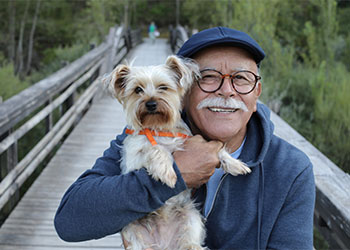 For many, pets are more than just animals—they’re family. They provide companionship, comfort, and a sense of purpose in daily life. Considering their future care after your passing can be both emotional and difficult.
At the Law Offices of Julie A. Schejbal, CHTD, we help clients take thoughtful steps to protect their pets as part of their broader estate plans. From our office in Dunkirk, Maryland, we serve individuals and families throughout Calvert County, Prince George’s County, Charles County, and St. Mary’s County who want peace of mind about the future.
If your pet’s well-being matters to you, planning now can make a meaningful difference later. Reach out to us to start a conversation with our pet trust attorney about how to legally provide for your pets after death.
Why Planning for Pets Matters in Estate Planning
Pets don’t have legal standing on their own. Without planning, they’re treated as personal property under the law. That means decisions about their care may fall to whoever inherits them, regardless of whether that person is prepared, willing, or aligned with your wishes. This gap between emotional attachment and legal reality is where problems often arise.
We work with clients who assume verbal promises will be honored. While intentions may be good, circumstances change. Financial strain, health issues, or lifestyle differences can make long-term pet care difficult for the person you had in mind. Written plans help avoid misunderstandings and provide guidance when emotions are running high.
Including pets in your estate plan also helps reduce conflict among family members. Clear directions about who will care for your pet and how expenses will be handled can prevent disagreements. When expectations are written down, loved ones don’t have to guess what you wanted.
Planning for your pets isn’t about being pessimistic—it’s about being responsible. It’s another way to show care and love for those who depend on you, even after you’re gone.
Options for Providing for Pets After Death
There are several legal tools that can be used to provide for pets after death. Each option has benefits and limitations, and the right approach depends on your goals, your pet’s needs, and your overall estate plan. We help clients weigh these choices carefully. Some common approaches include:
Direct gifts with conditions: Leaving your pet and funds to a specific person with instructions for care.
Pet trusts: Creating a legally enforceable arrangement that sets aside money and care instructions.
Incorporating pet care into a will: Naming a caregiver and outlining preferences, often paired with financial support.
Before choosing an option, it’s important to think about your pet’s lifespan, medical needs, and daily routine. A younger pet may require care for many years, while an older pet may have ongoing health costs. Planning should reflect these realities.
We also encourage clients to think about backup plans. If your first-choice caregiver can’t step in, having an alternate option written into your plan can prevent uncertainty. These decisions are personal, and we help clients make them with care and clarity.
How Pet Trusts Work and Why They’re Often Preferred
A pet trust is one of the most reliable ways to provide for pets after death. Unlike informal arrangements, a trust creates a legal obligation to follow your instructions. Funds placed in the trust are used solely for your pet’s care, according to the terms you set.
When clients ask why a trust is helpful, we explain that it separates caregiving from financial control. You can name one person to care for your pet and another to manage the funds. This structure provides accountability and helps reduce the risk of misuse. A typical pet trust may include:
Care instructions: Details about feeding, veterinary care, exercise, grooming, and daily routines, including preferences for brands, schedules, behavioral needs, and comfort habits.
Designated caregiver: The person responsible for your pet’s day-to-day care, housing, companionship, transportation, and communication with veterinarians and the trust manager.
Trust manager: The individual who oversees the money and approves expenses, tracks spending, maintains records, and confirms funds are used according to instructions.
Funding amount: Money set aside to cover food, medical care, grooming, and emergencies, factoring in inflation, long-term illnesses, and unexpected veterinary costs.
Remainder instructions: What happens to leftover funds after your pet passes away, such as charitable donations, family distributions, or other personal preferences.
As a pet trust attorney, we help clients draft clear language that reflects how they actually care for their pets. The goal isn’t to overcomplicate the plan but to provide structure that holds up over time. Maryland law allows pet trusts, making them a practical option for many people.
Choosing a pet trust attorney gives you guidance on how to tailor the trust to your situation. We work closely with clients to align the trust with their broader estate goals.
Choosing Caregivers and Setting Clear Expectations
Selecting the right caregiver is one of the most important decisions you’ll make when planning for your pet’s future. It’s not just about who loves your pet, but who can realistically provide long-term care.
Before naming someone, we encourage clients to have open conversations. Ask whether the person is willing and able to take on the responsibility. Consider their living situation, work schedule, health, and financial stability.
Consider including:
Daily care routines: Feeding schedules, exercise needs, and sleeping arrangements, including preferred walking times, crate use, favorite foods, treats, and calming habits.
Veterinary preferences: Existing veterinarians, medications, and health conditions, along with vaccination history, emergency clinics, insurance details, and guidance for routine or urgent care decisions.
Lifestyle considerations: Whether your pet is used to other animals, children, or specific environments, including noise tolerance, travel comfort, yard access, and social interaction needs.
End-of-life wishes: Preferences for comfort care or medical decision-making, including pain management choices, quality-of-life considerations, and guidance for difficult treatment or timing decisions.
Clear expectations help caregivers feel supported rather than overwhelmed. They also make it easier for a trust manager to approve appropriate expenses. Our estate planning attorney helps clients balance detail with flexibility, so caregivers can adapt as circumstances change.
Reviewing and Updating Your Pet Trust Over Time
Life circumstances and your pet’s needs can change, which is why regularly reviewing your pet trust is just as important as creating it. Pets may develop new medical conditions, change living arrangements, or require additional care as they age. Similarly, your designated caregiver or trust manager may experience changes in availability, health, or personal circumstances.
A periodic review confirms that your plan remains practical and aligned with both your wishes and your pet’s well-being. Key points to consider during a review include:
Medical updates: Make sure the trust reflects any new medications, treatments, or veterinary recommendations.
Financial adjustments: Recalculate the funds needed for care, accounting for inflation, unexpected veterinary costs, or changes in your estate.
Caregiver or trustee changes: Confirm that your designated individuals are still willing and able to fulfill their roles, and update alternates if needed.
Lifestyle changes: Consider changes in your pet’s environment, such as moving homes, traveling, or new household members, and make sure care instructions accommodate these adjustments.
By revisiting your pet trust regularly, you can maintain a plan that provides security, clarity, and peace of mind for both your pets and the people you trust to care for them. Working with a pet trust attorney during these updates helps make sure that all legal requirements are met and your pets’ future remains protected.
Secure Your Pets’ Future Today Through Legal Planning
Planning for your pets after death is an act of care and responsibility. It gives you confidence that the animals you love will be protected, supported, and cared for according to your wishes. These plans also offer reassurance to loved ones who may one day be responsible for carrying them out.
At the Law Offices of Julie A. Schejbal, CHTD, we help clients put clear, thoughtful plans in place for their pets. From our office in Dunkirk, Maryland, we proudly serve individuals and families throughout Calvert County, Prince George’s County, Charles County, and St. Mary’s County.
Whether you’re considering a trust or want to revisit an existing estate plan, working with a pet trust attorney can provide clarity and direction. If you’re ready to take that step, reach out to us to discuss how we can help you plan for your pets’ future with confidence.